

Let Warmth Stretch on,Smoothly,Seamlessly —Microcement
What is Microcement?
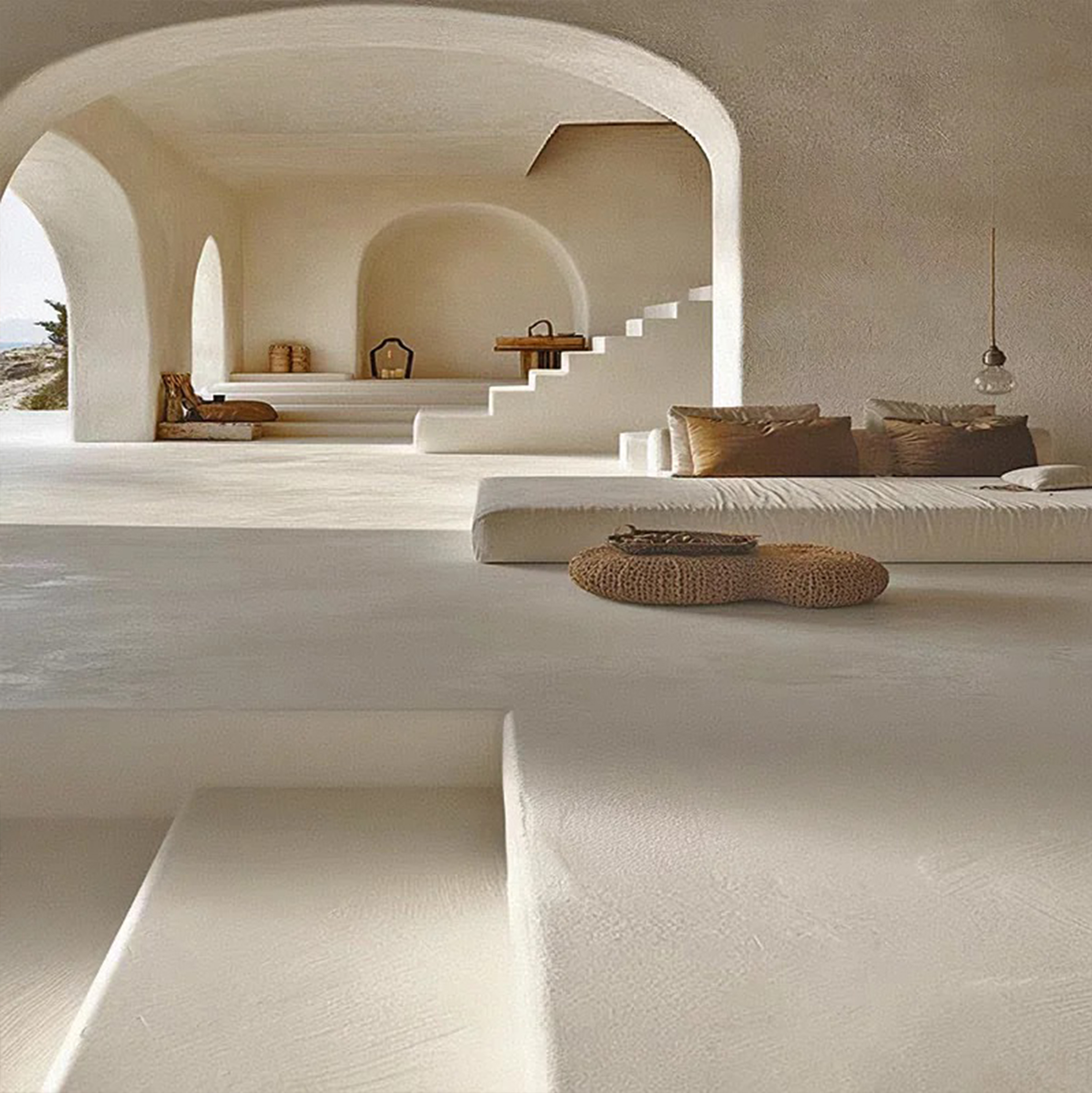
Microcement is a rapidly emerging decorative material in interior design. It is not traditional cement, but a composite surface material made from cement, water-based resins, mineral pigments, and additives. With a thickness of only 2-5mm, it can be applied to walls, floors, ceilings, and even furniture, creating a “seamless monolithic” visual effect.
Originating in Europe, microcement has become a favored material for achieving high-end aesthetics in minimalist, wabi-sabi, industrial, and other contemporary design styles.
Core Characteristics
Difference from Ordinary Cement
Advantages of Microcement
1. Seamless Aesthetics
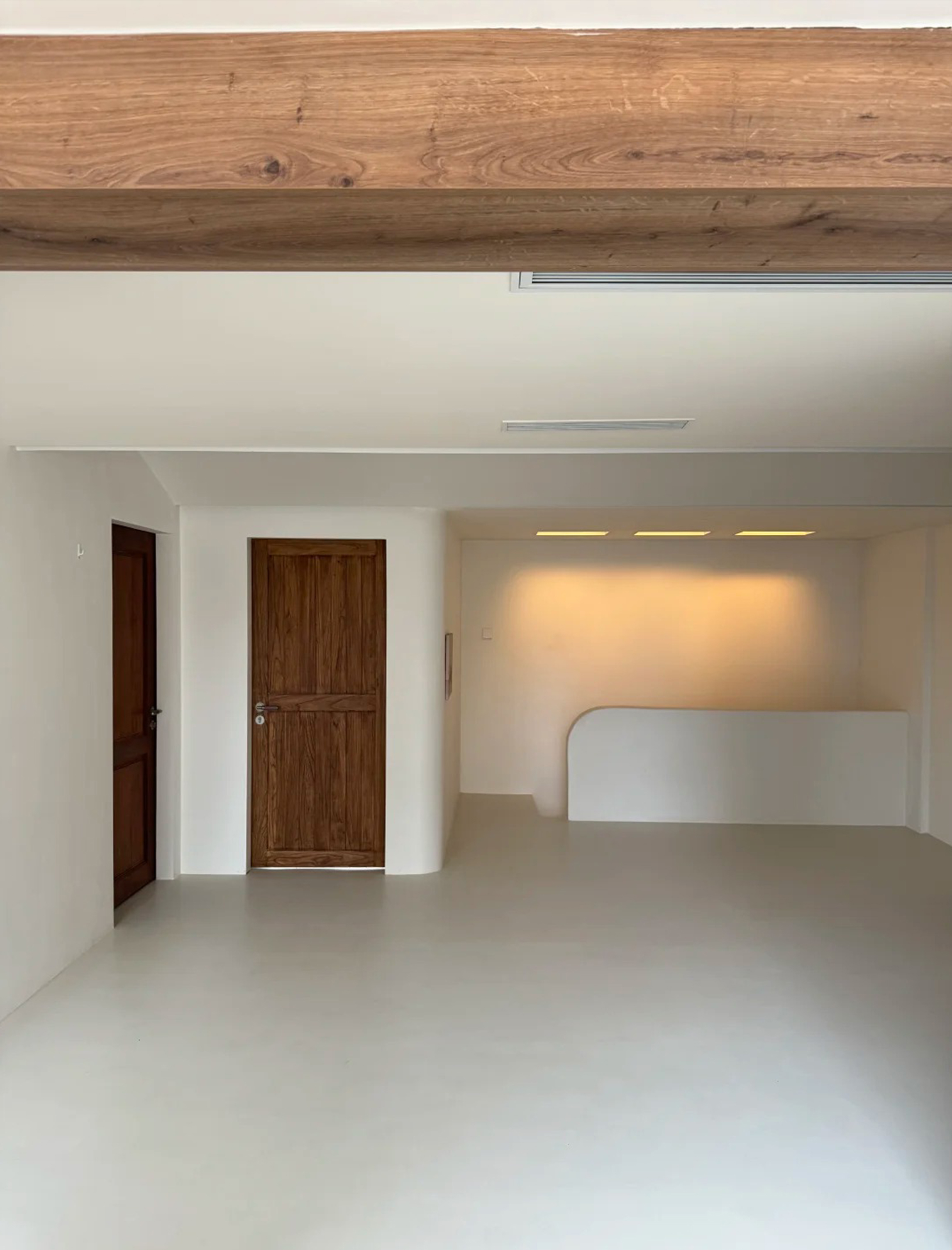
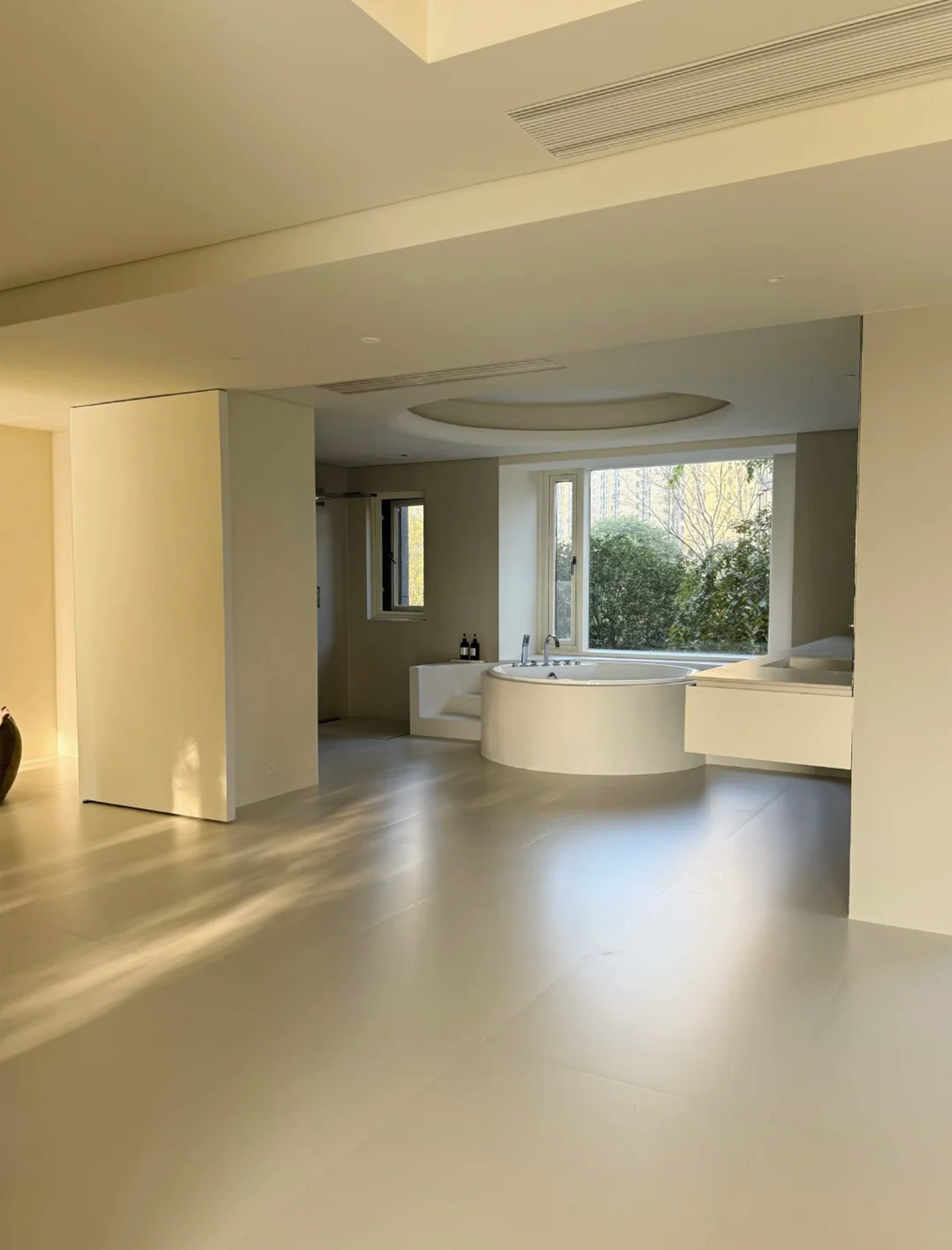
The most distinctive feature of microcement is the absence of joints. It creates a continuous surface across walls and floors, enhancing spatial openness and visual unity.
2. Ultra-Thin Application
With a thickness of only 1-3mm for walls and about 3mm for floors, microcement occupies minimal interior space. It can be applied directly over existing surfaces such as tiles, marble, and wood, making it ideal for renovations without demolition.
3. Waterproof and Moisture-Resistant
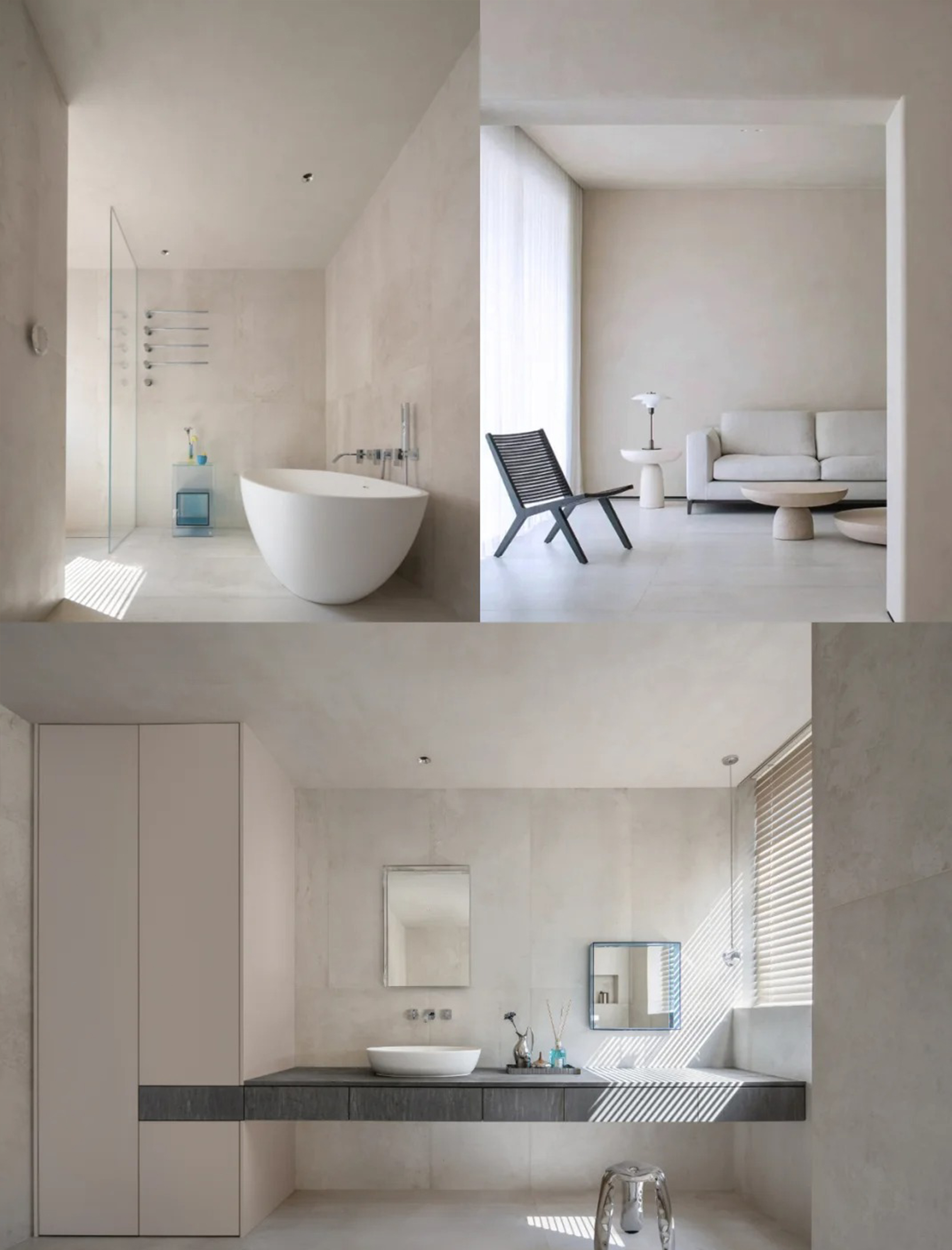
Microcement offers excellent water and moisture resistance, making it suitable for bathrooms, kitchens, and other wet areas. It achieves over 90% antimicrobial efficacy and is resistant to mold.
4. Durable and Impact-Resistant
Microcement has a compressive strength of approximately 3.57 kg/mm², exceeding that of ceramic tiles (2.7 kg/mm²). It adheres firmly and, as long as the substrate remains stable, the material itself is unlikely to crack.
5. Eco-Friendly and Healthy
As a water-based inorganic material, microcement has VOC levels far below national and EU paint standards. It produces minimal dust during sanding, making it safe for both installers and residents.
6. Wide Range of Colors
Using mineral-based color pastes, microcement supports custom color matching. Commonly used low-saturation tones (such as muted earth colors) create a sophisticated and refined ambiance.
7. High Fire Resistance
Microcement achieves a Class A non-combustible fire rating, suitable for commercial spaces such as offices and public buildings with strict fire safety requirements.
Suitable Styles and Applications
Design Styles
Japanese Wabi-Sabi: The natural texture of microcement complements wabi-sabi aesthetics
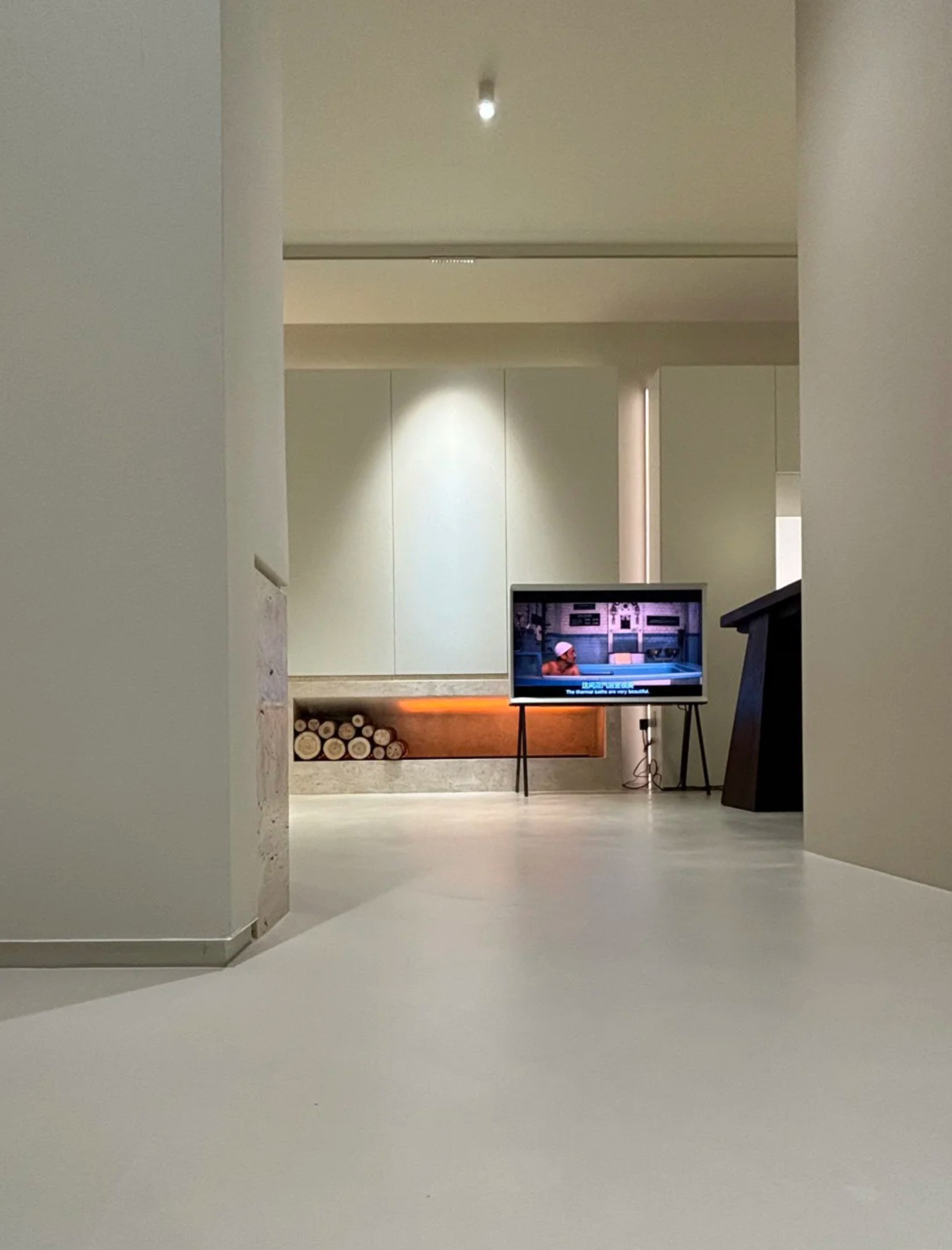
Modern Minimalism: Seamless surfaces enhance spatial purity
Industrial Style: Pairs well with metal elements for a raw, textured look
Neo-Chinese: Serves as a subtle neutral backdrop to highlight Eastern elements
Scandinavian: Combined with wood elements for a warm atmosphere
Suitable Spaces
Installation and Maintenance Guidelines
Installation Process (Floor Application)
Substrate Preparation: Level the floor, sand, and clean thoroughly
Apply Primer: Use a waterproof primer coat
Install Fiberglass Mesh: Prevents cracking
Apply Base Layer: Spread coarse microcement, sand after drying
Apply Top Layers: Apply 2–3 layers of fine microcement
Seal: Apply hardener and protective sealer
Curing: Allow 7 days for complete drying before use
Maintenance Tips
Daily Cleaning: Wipe with a damp cloth; avoid steel wool or acidic/alkaline cleaners
Scratch Prevention: Add protective pads under furniture; avoid dragging heavy objects
Periodic Maintenance: Reapply sealer every 1–2 years to maintain durability and appearance
Summary
Microcement offers seamless aesthetics, ultra-thin application, waterproof properties, and eco-friendliness, making it a popular choice for high-end interior spaces. However, its higher cost, demanding installation requirements, and regular maintenance needs should be carefully considered. For those seeking a minimalist aesthetic with a refined texture—and with access to skilled installers—microcement is an excellent material choice.
评论