

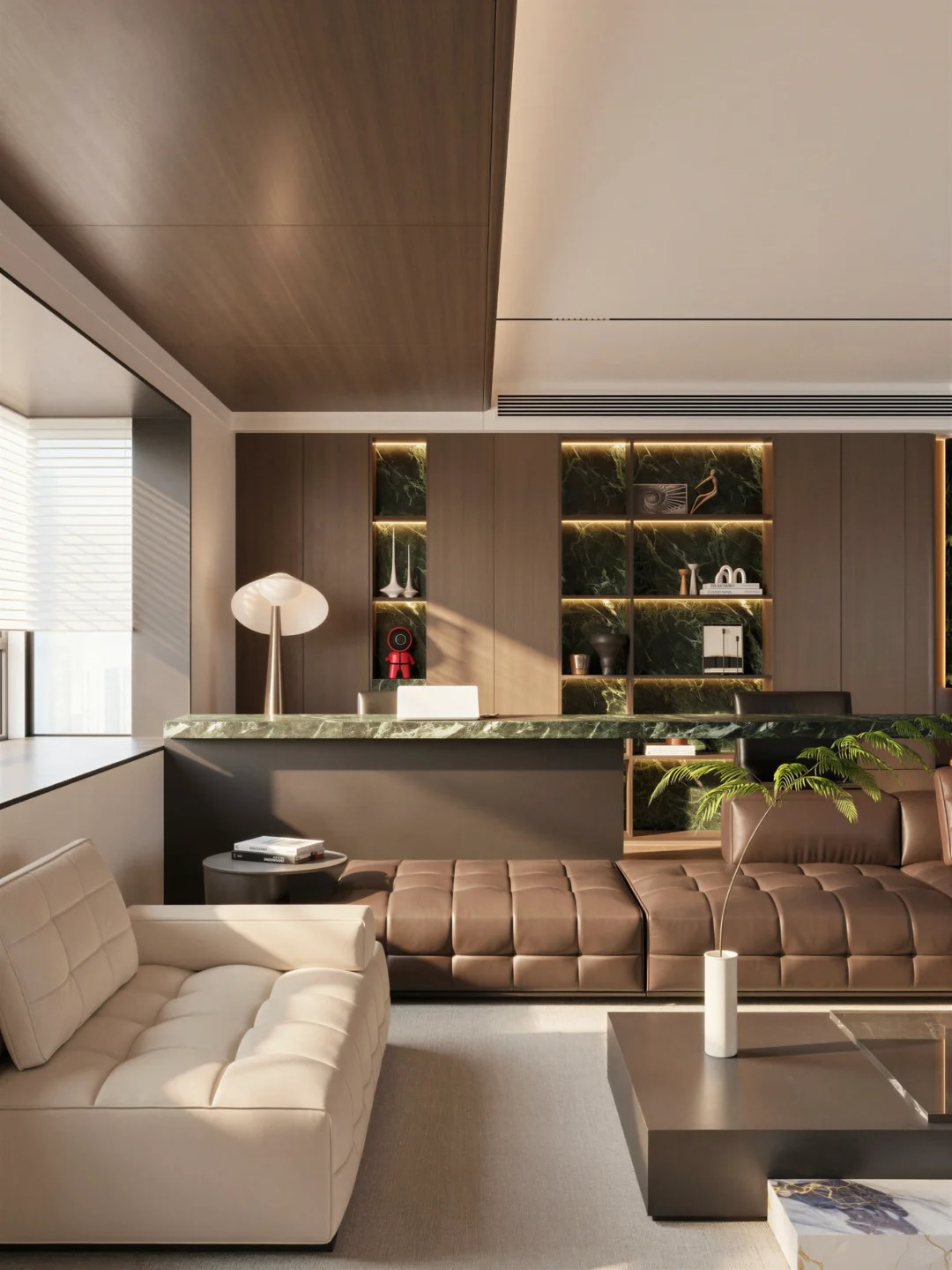
Classic Italian style is a timeless synthesis of Renaissance art, Roman architecture, and modern sophistication. It is less about following a trend and more about curating an environment of "Eternal Beauty."
Here is an overview of the core elements that define this aesthetic:
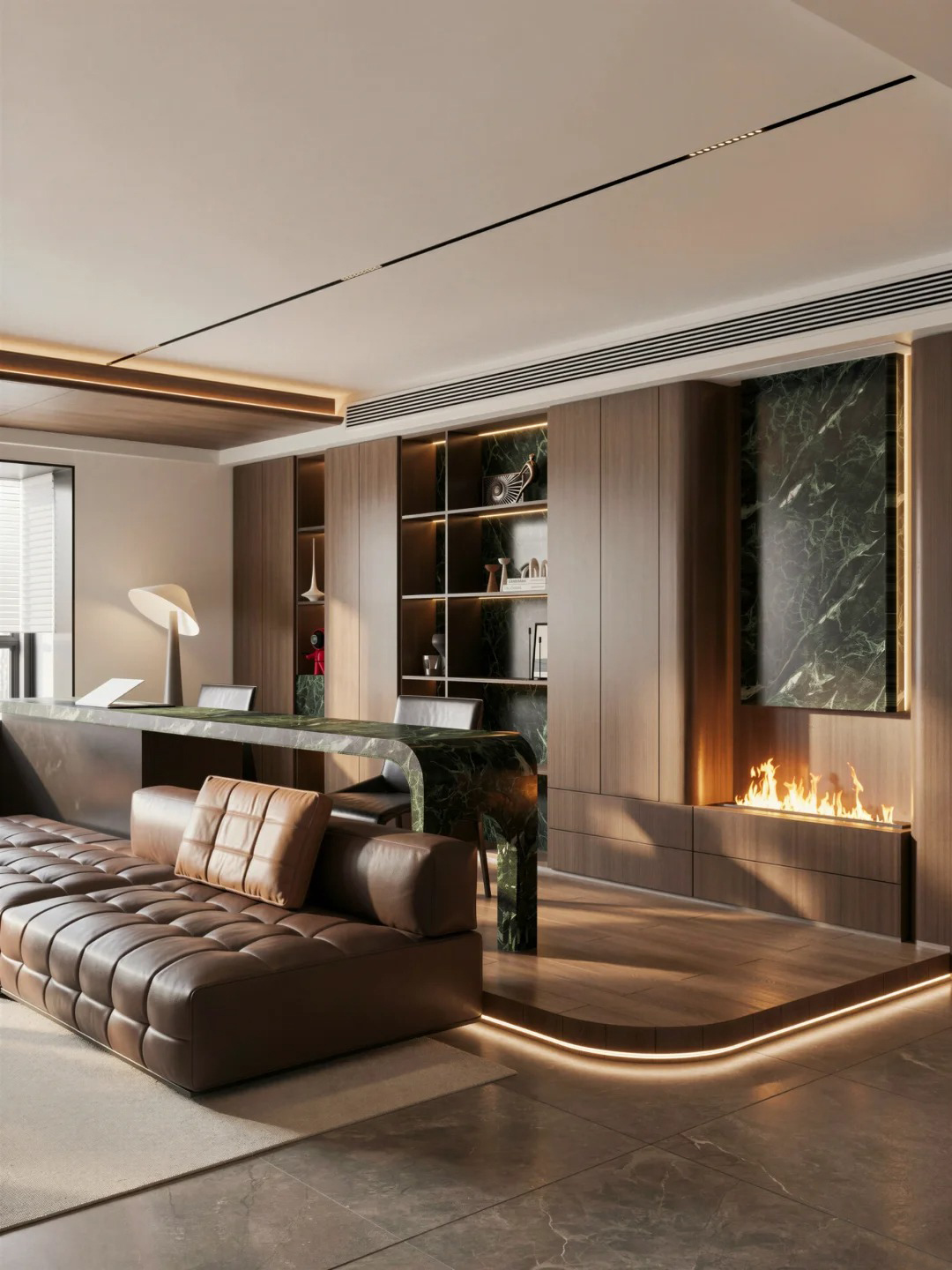
1. Materials: The Grandeur of Nature
Classic Italian interiors rely heavily on raw, high-quality materials that convey a sense of permanence:
Marble: The soul of the style. Large-veined marbles like Carrara or Calacatta are used for flooring, wall cladding, and statement furniture, acting as natural pieces of art.
Velvet & Leather: Furniture often features top-grain leathers or rich velvets, offering a tactile experience that is both soft and visually deep.
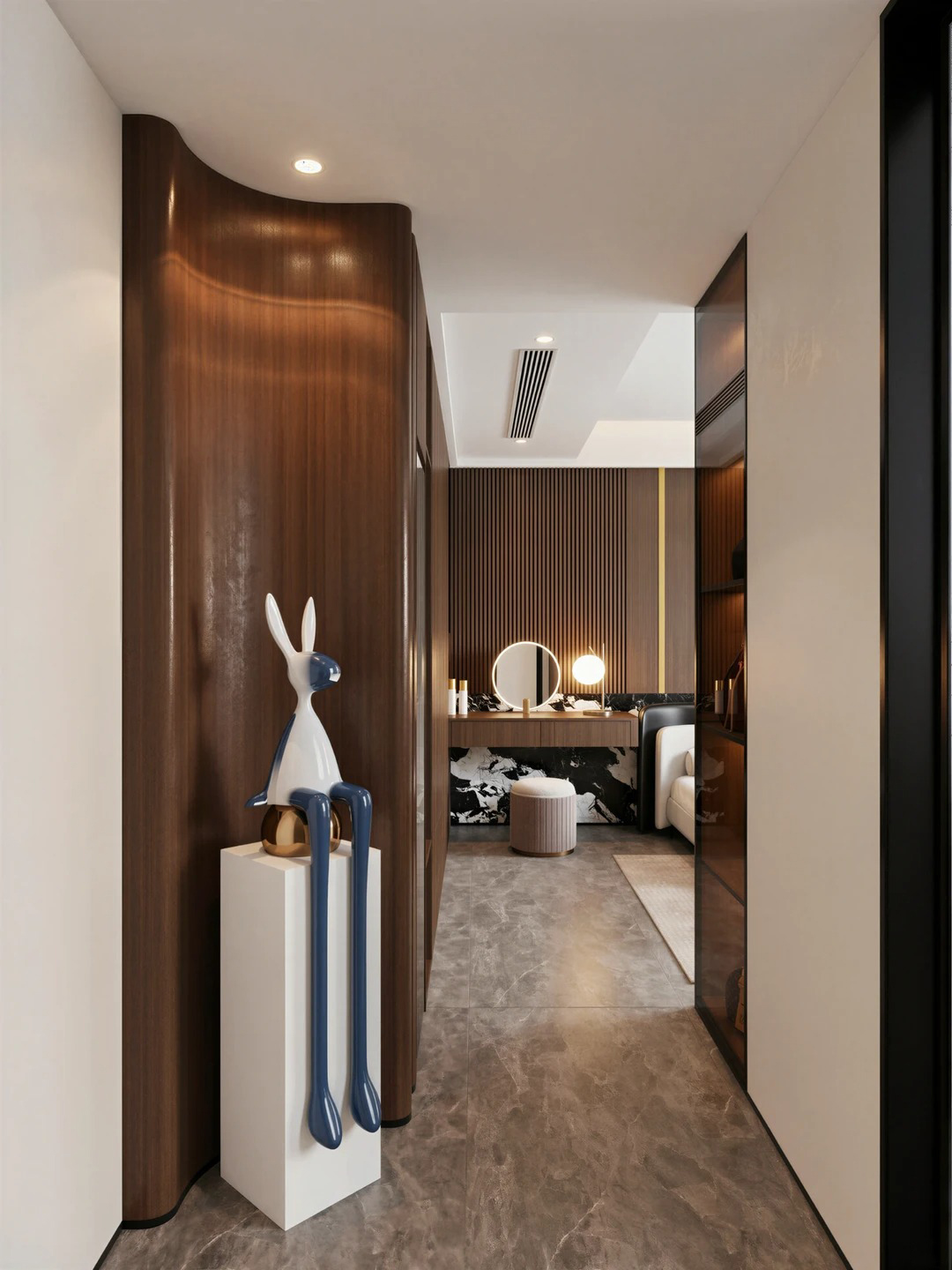
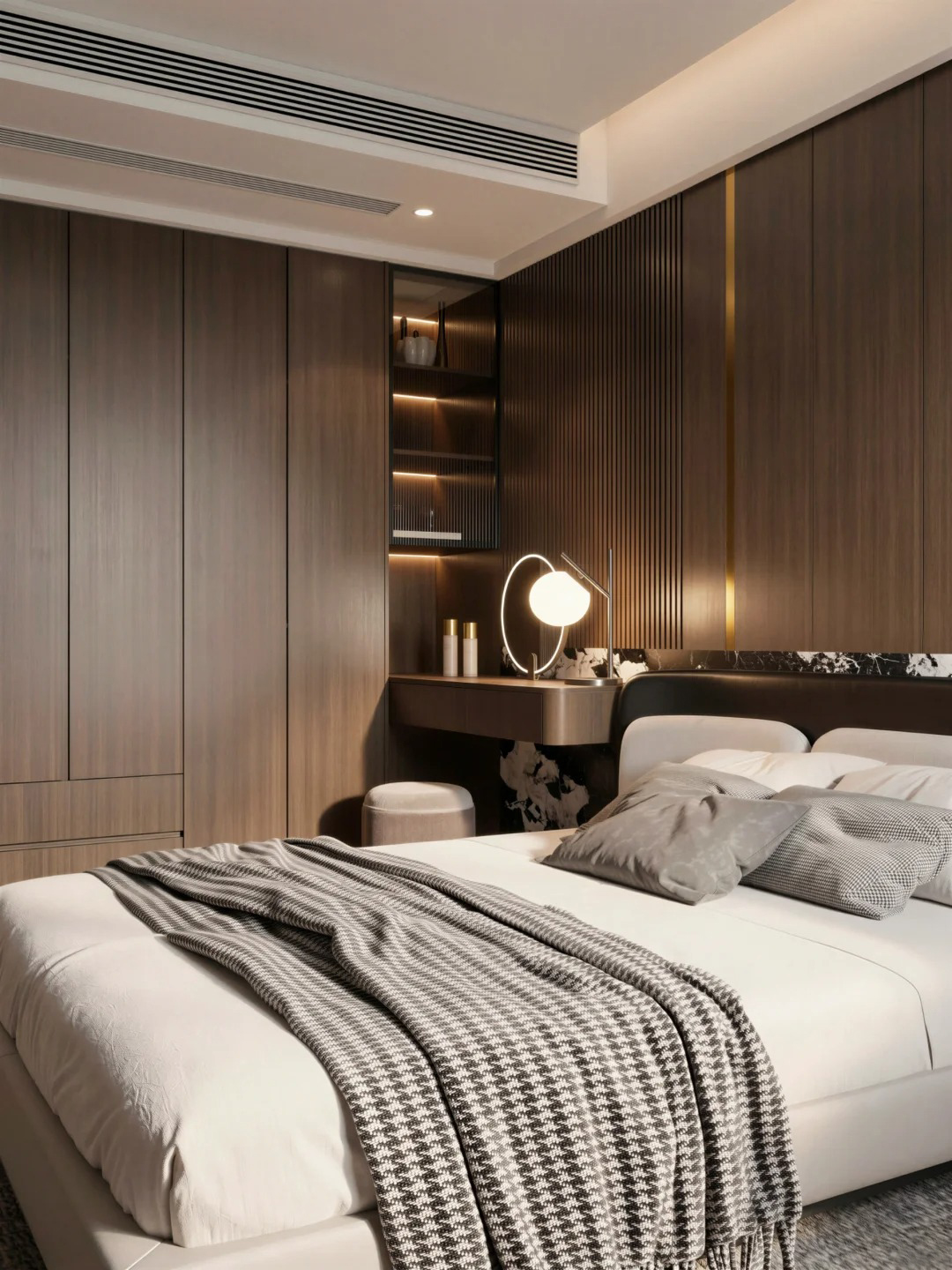
Solid Wood & Brass: Dark walnut or cherry woods are frequently accented with burnished brass or gold leaf detailing to provide a low-key, luxurious contrast.
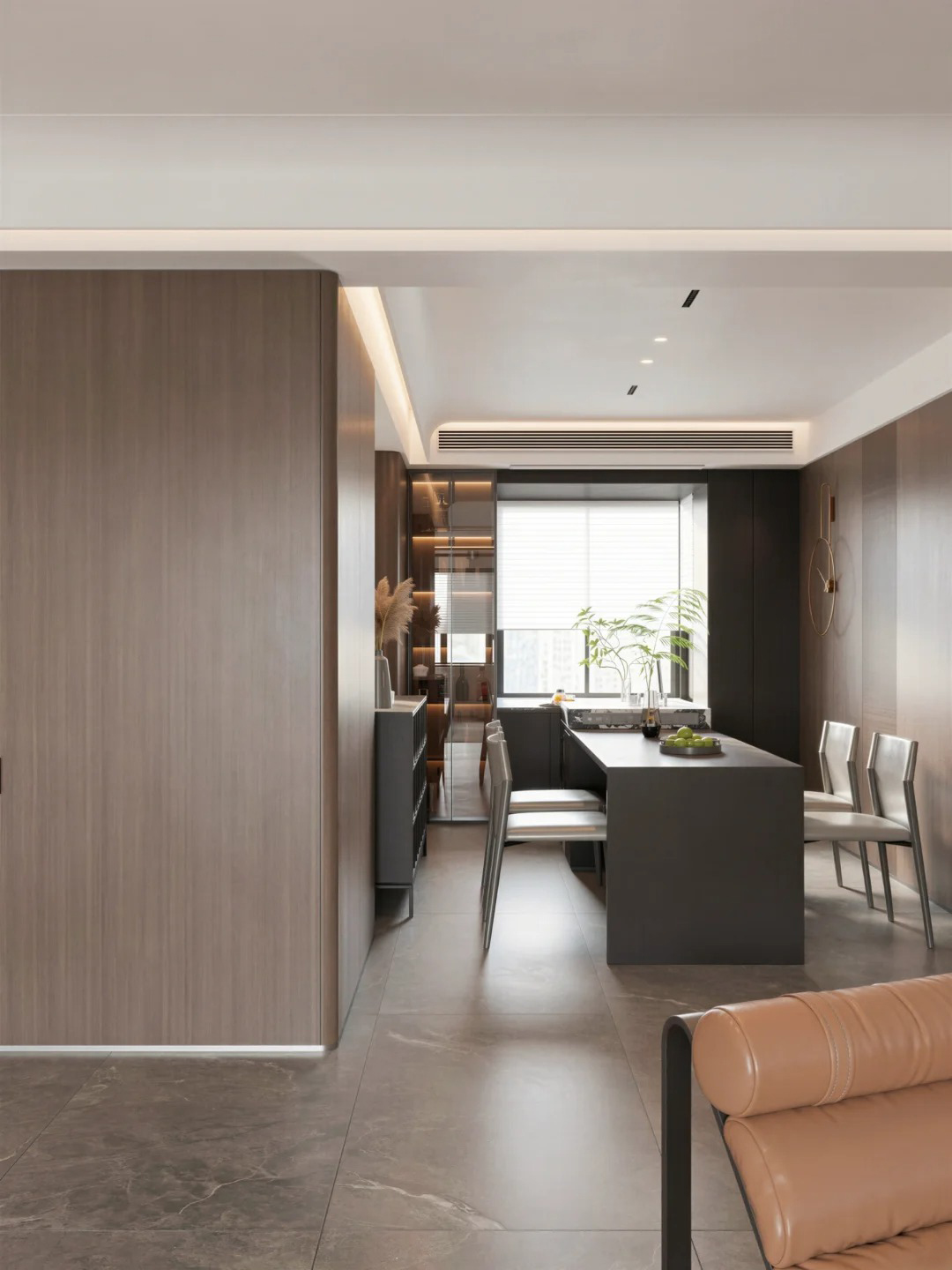
2. Structure: The Art of Proportion
Inspired by classical architecture, the layout emphasizes balance and height:
Molding & Boiserie: Walls are rarely flat; they are often adorned with intricate plaster moldings or wooden wall panels to create depth and a sense of history.
Arches & High Ceilings: The use of arched doorways and vaulted ceilings pays homage to ancient Roman structures, giving even modern apartments a majestic feel.
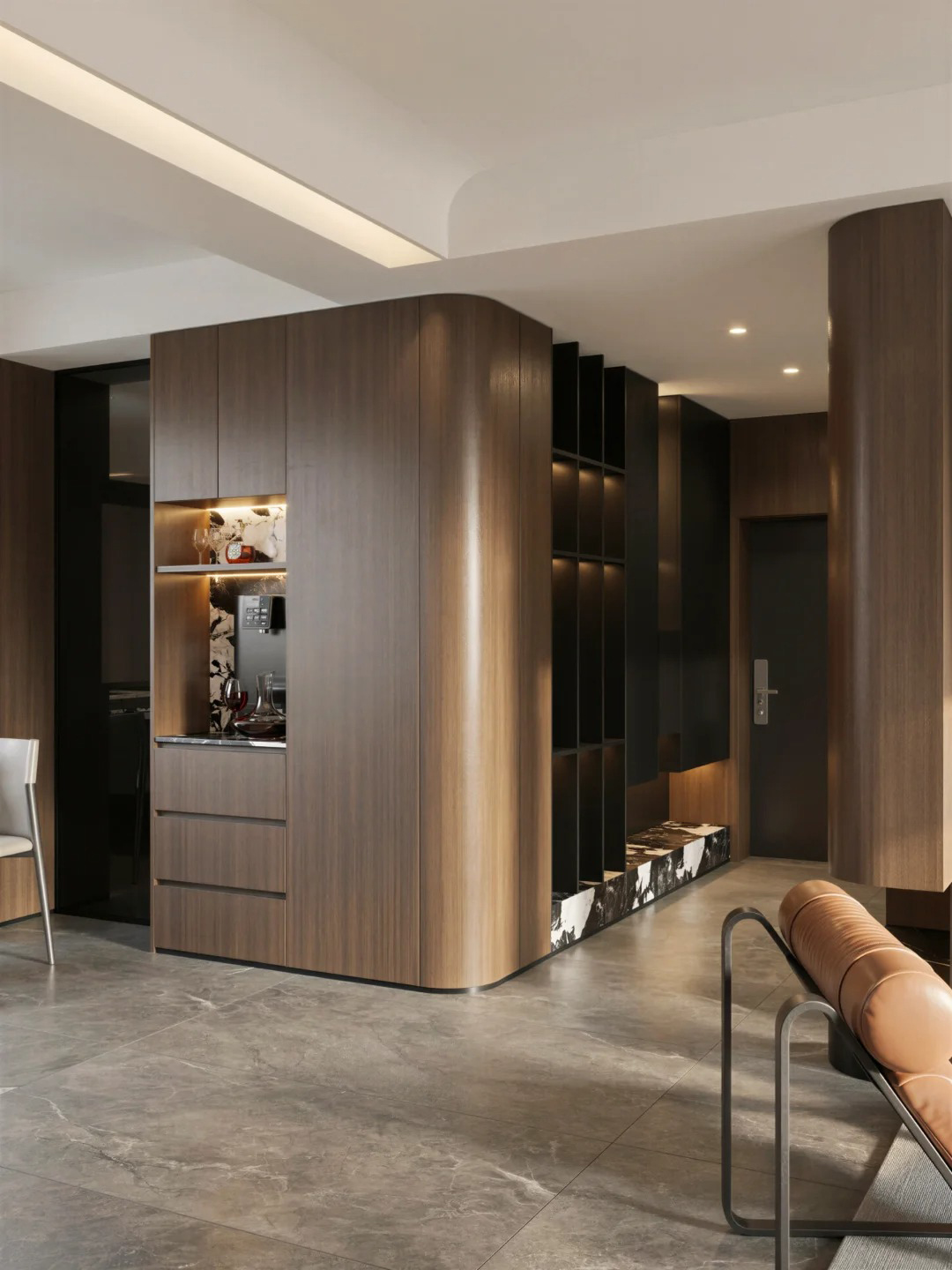
3. Color Palette: Sophisticated Neutrals
The Italian palette is grounded in "quiet luxury," favoring tones that feel organic and calm:
Primary Tones: Cream, beige, sand, and various shades of grey form the backdrop to keep the space feeling airy.
Accent Colors: Deep forest greens, navy blues, or rich terracottas are used in upholstery or decor to add weight and focus to the room.
4. Furniture: "Functional Sculpture"
Italian furniture is world-renowned for blending artisan craftsmanship with avant-garde design:
Fluid Silhouettes: Pieces often feature curved lines and slim, tapered metal legs, making even heavy sofas appear light and "floating."
Iconic Design: The style often incorporates pieces inspired by legendary brands (such as Minotti or B&B Italia), where every stitch and joint is a testament to precision.
 The "Golden Rule" of Italian Design
The secret to achieving this look is Spatial Breathing. Rather than overcrowding a room, Italian design treats every piece of furniture as a standalone masterpiece. By leaving ample "white space," you allow the quality of the materials and the elegance of the forms to speak for themselves.
评论