

🏗️ The "Less is More" Philosophy
The Bauhaus movement originated in Germany in 1919. Its primary goal was to bridge the gap between art and industry. Instead of making things look "fancy" with extra ornaments, Bauhaus focused on making everyday objects beautiful through their logic and utility.
Core Principles
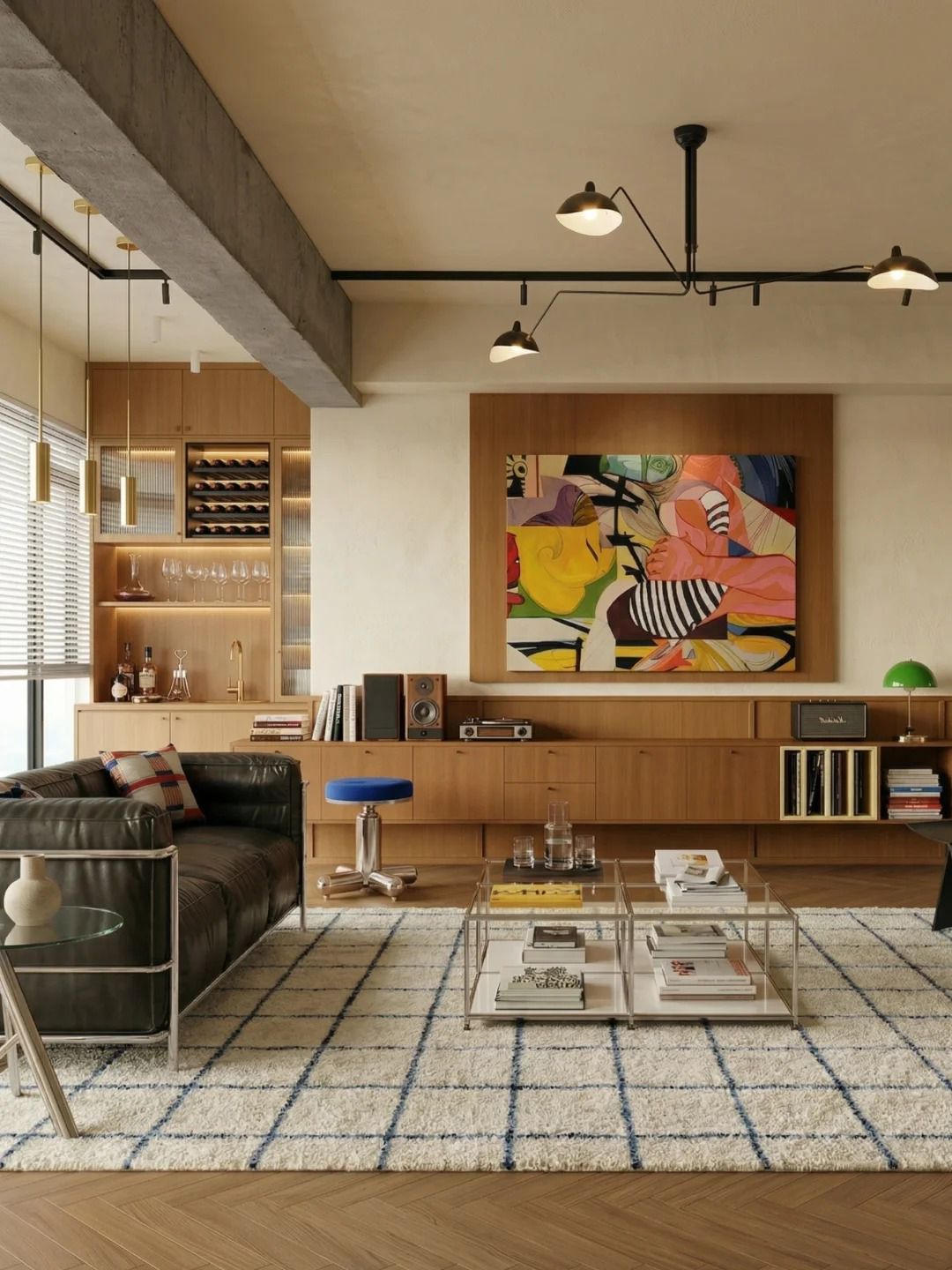
Form Follows Function: This is the golden rule. The design of an object should be determined by its purpose. If a decorative element doesn't serve a function, it's removed.
Geometric Simplicity: You’ll see a heavy use of clean lines, circles, squares, and triangles. It avoids "fussy" details in favor of a sleek, rational look.
Industrial Materials: Bauhaus was a pioneer in using "honest" materials like tubular steel, glass, concrete, and plywood. These materials were chosen because they were modern and suitable for mass production.
Primary Palette: While neutral tones (white, grey, black) dominate, the style often uses bold pops of red, yellow, and blue for accentuation.
🏠 Applying Bauhaus to Modern Spaces (like a BTO)
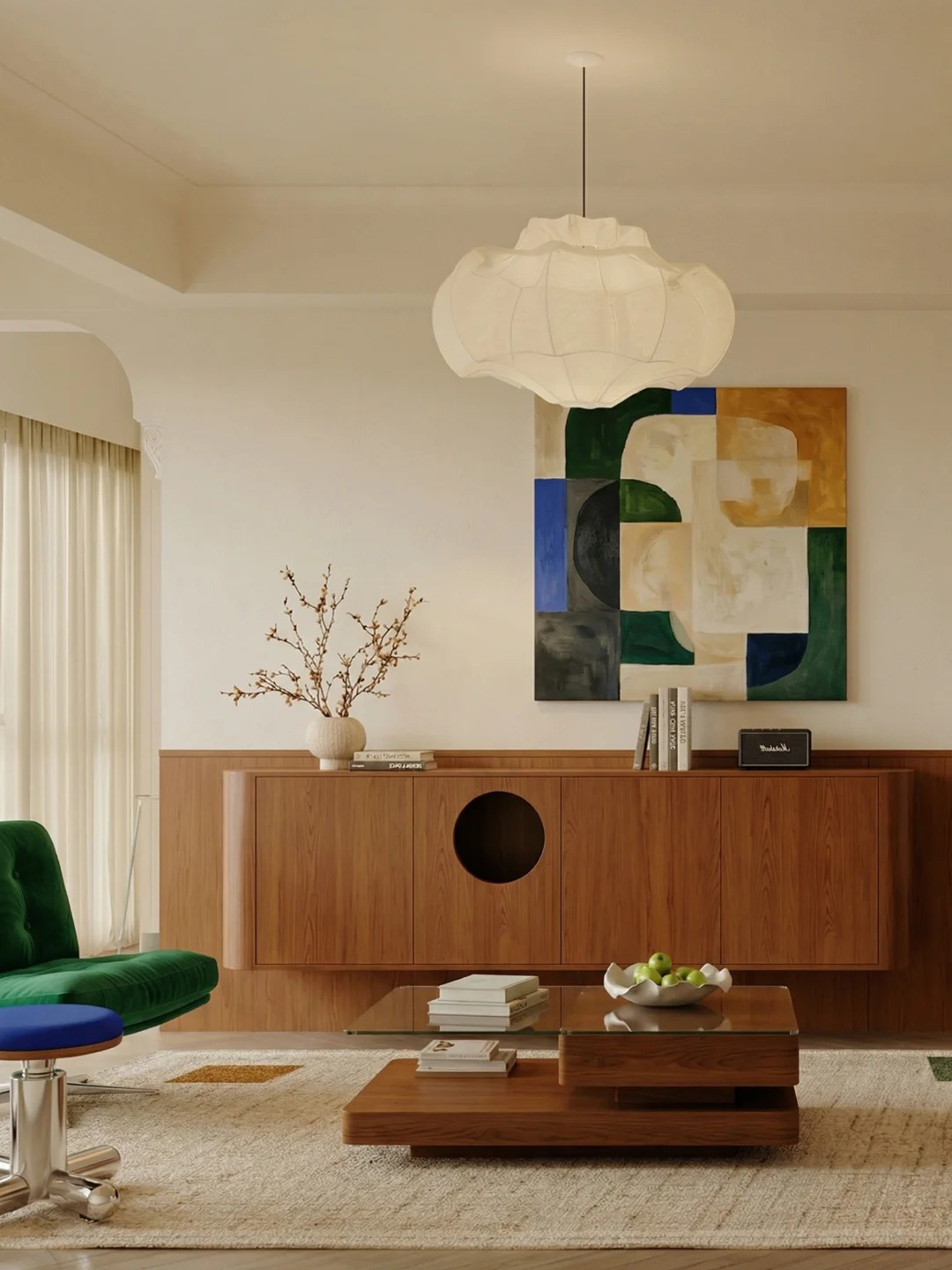
If you are planning a home layout or working on whole-house customization, Bauhaus is incredibly practical:
Maximized Space: Because the furniture is often minimalist and "leggy" (using thin metal frames), it creates more visual floor space, making smaller rooms feel much larger.
Smart Storage: Think flat-front cabinets and hidden handles. This creates a seamless "wall" effect that keeps the home looking organized and clutter-free.
Durability & Ease: Using materials like vinyl, steel, and glass means the home is not only stylish but also very easy to clean and maintain over time.
Classic Bauhaus Icons
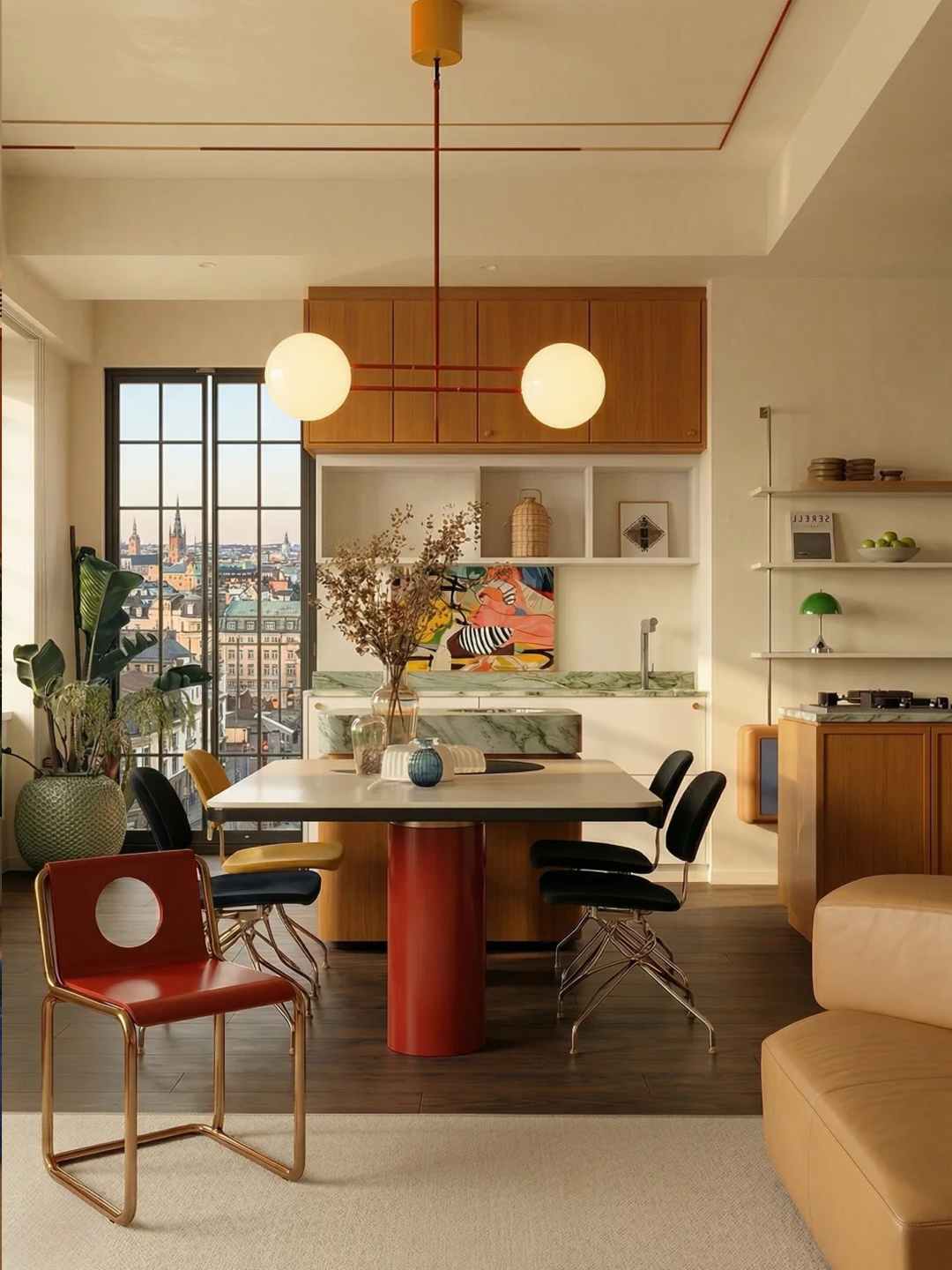
If you’re looking for furniture inspiration, check out these pieces:
The Wassily Chair: A skeleton-like chair made of bent steel tubes and leather.
The Nesting Tables: Simple, colorful tables that stack together—perfect for saving space.
The Bauhaus Lamp (WA24): A simple glass dome on a metal base, the epitome of clean lighting design.
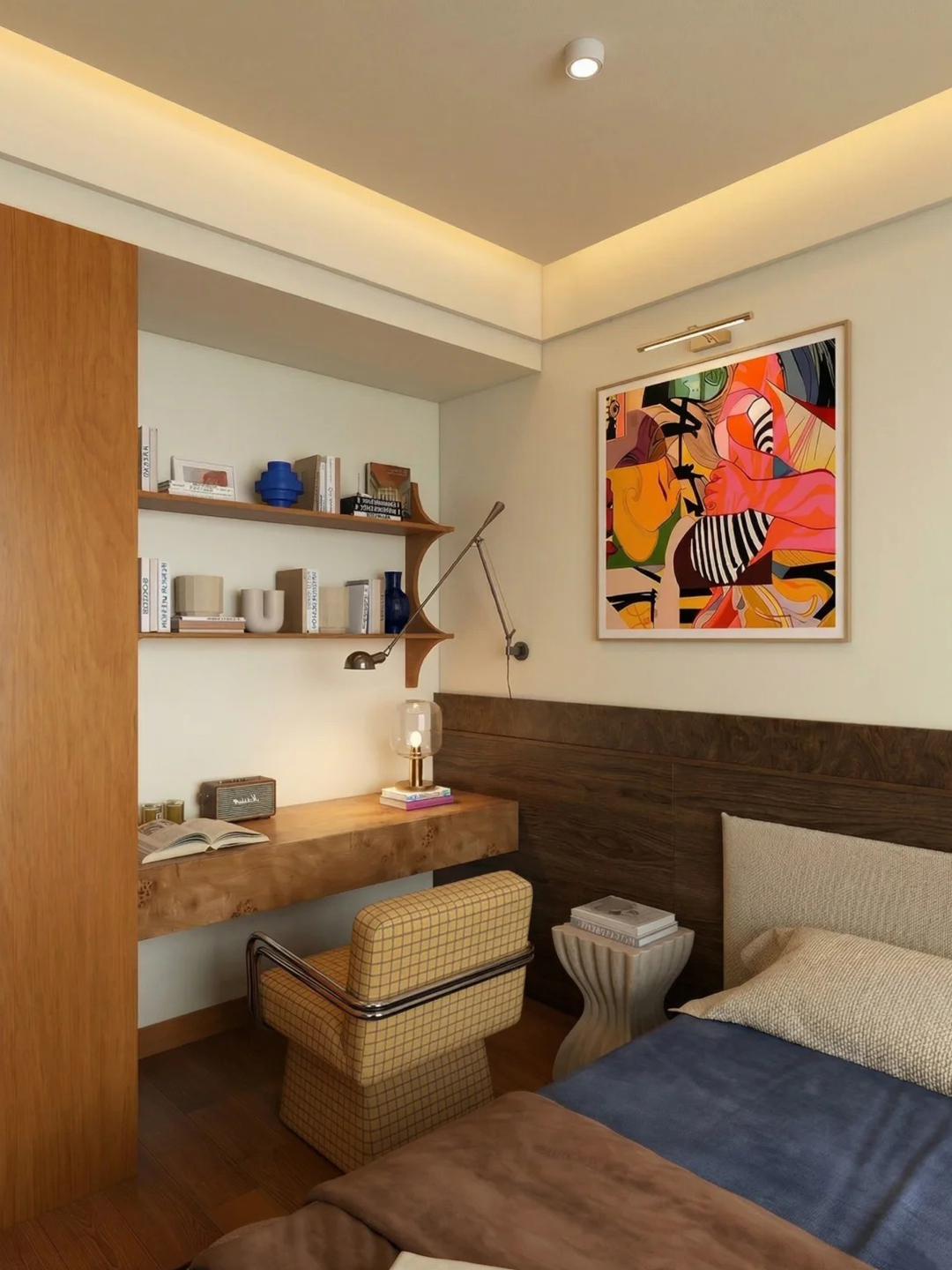
It’s a style that feels very "intentional"—nothing is there by accident.
评论